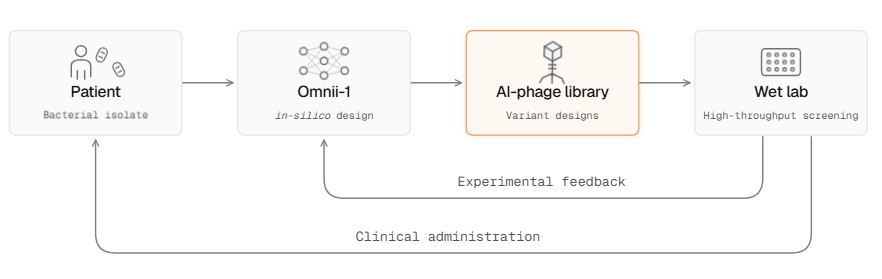
Korean media reported on Friday that a virus designed by artificial intelligence has been administered to a patient, described as the first human dosing of a therapeutic virus created this way. 디일렉 and other Korean outlets covered the development, with DongA Science framing the treatment as a virus built to target antibiotic-resistant bacteria.
According to the reports, the effort marks a shift from screening existing compounds toward designing a therapy directly. 아이알팜 described the approach in those terms, asking whether AI-designed viruses could bring an end to the long struggle against superbugs. The coverage did not specify the patient's condition, the location of the treatment or the design method used.
The reports place the work in the field of phage therapy, in which viruses that infect bacteria are used against infections. Antibiotic resistance has made such alternatives a subject of growing interest, and the Korean coverage presents AI design as a new route into that field.
The available reports leave key details unconfirmed, including clinical results, dosing information and how the virus was produced. 디일렉 and the other outlets did not provide the full study data in the material summarized here.
What to watch next: whether the team discloses clinical outcomes and publishes the design and safety data behind the first dose.
